Gelatin Protein vs Whey: What the Research Says About Satiety and Gut Health
Most supplement buyers compare protein by gram-per-serving. Gelatin protein doesn't compete on that metric — it competes on amino acid profile. This review explains the difference and what independent verification of Gelatine Sculpt actually confirms.
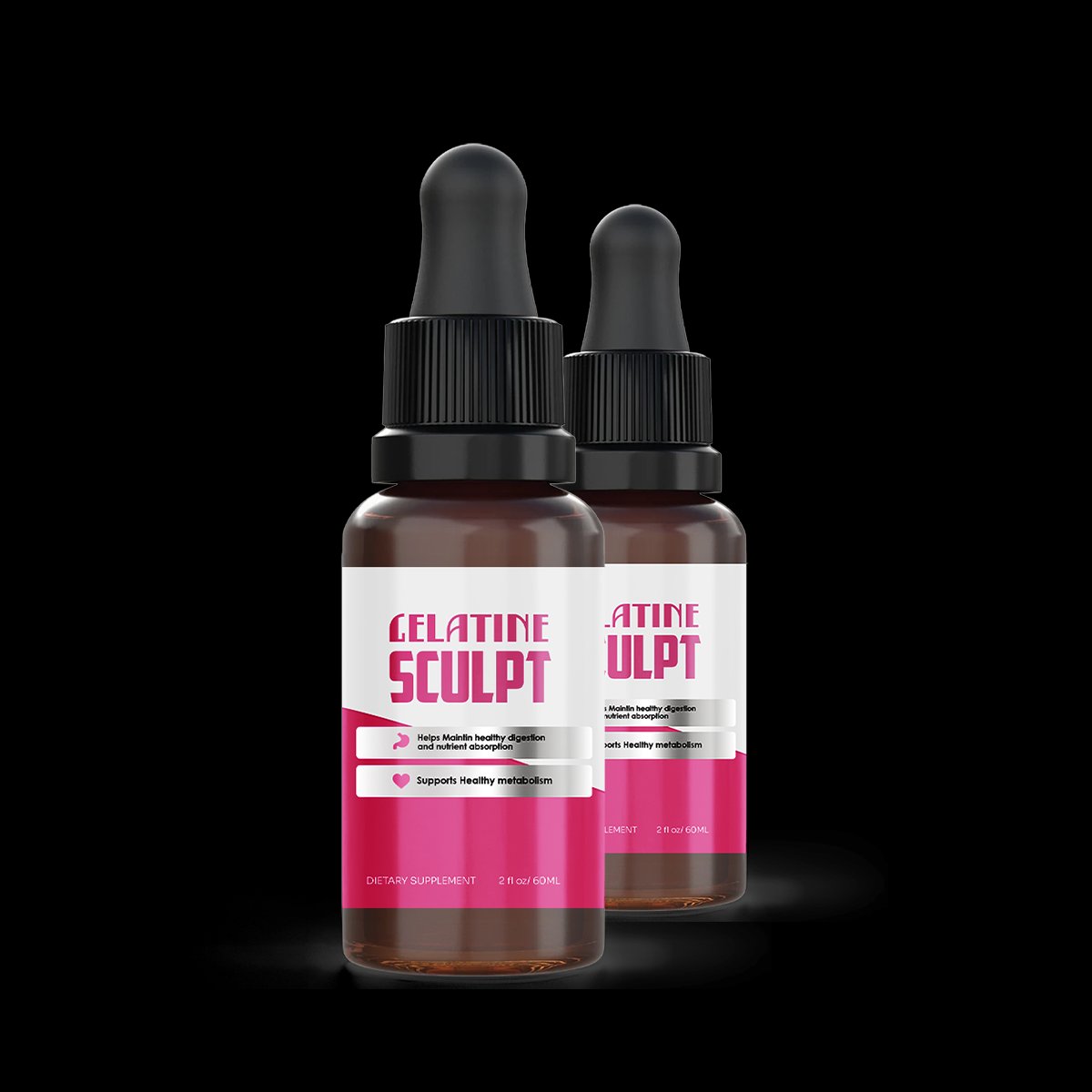
Gelatine Sculpt™ — Reviewed
Why gelatin protein is categorically different from whey
When most people think about protein supplements, they think about gram count. Whey protein typically delivers 20–25g per serving, making it easy to compare on a standard nutrition label. Gelatin protein operates in a different category entirely — not because the gram count is higher, but because its amino acid profile is almost the inverse of whey's.
Whey is high in branched-chain amino acids (BCAAs) — leucine, isoleucine, valine — which are the primary drivers of muscle protein synthesis. Gelatin is high in glycine, proline, and hydroxyproline — three amino acids that are structurally underrepresented in modern dietary protein sources and that serve different physiological roles.
Amino acid profile comparison
| Amino acid | Gelatin protein | Whey protein | Pea protein |
|---|---|---|---|
| Glycine | ~21–27% | ~1.5–2% | ~4% |
| Proline | ~12–16% | ~5% | ~4% |
| Hydroxyproline | ~10–13% | Trace | Trace |
| Leucine (BCAA) | ~2.5% | ~10% | ~8% |
| Lysine | ~3.5% | ~9% | ~7% |
| Complete essential amino acids | Not complete | Complete | Near-complete |
Gelatin protein is not a complete protein in the conventional sense — it lacks sufficient tryptophan and methionine. This means it is not a replacement for dietary protein sources that supply all essential amino acids. What it does supply is a concentrated source of glycine and proline that most dietary patterns provide in very limited quantities.
Peer-reviewed research has investigated glycine's potential role in appetite regulation through several mechanisms including gut hormone secretion and gastric motility. The evidence base is developing and does not establish definitive clinical claims. Individual responses vary. Gelatine Sculpt is not intended to diagnose, treat, cure, or prevent any disease.
"Glycine, proline, and hydroxyproline are the most underrepresented structural amino acids in modern dietary protein intake. Gelatin is one of the only concentrated food sources of all three simultaneously."
— Nutritional biochemistry literature summary. Not a statement from the manufacturer.What independent verification of Gelatine Sculpt actually confirms
Dose Theory assesses what is independently verifiable. We do not assess physiological outcomes — those are not confirmed by third-party lab testing or manufacturing certification. Here is what independent verification does and does not establish.
GMP-certified manufacturing
Produced in a facility certified to Good Manufacturing Practice standards — the regulatory baseline for supplement production quality, documentation, and contamination control.
Third-party laboratory testing
Purity and potency independently verified by a laboratory with no financial relationship to the manufacturer. Label claims confirmed without conflict of interest.
60-day money-back guarantee
All packages — 2-bottle, 3-bottle, and 6-bottle — carry a 60-day satisfaction guarantee managed by the manufacturer. Dose Theory cannot process returns; contact the manufacturer directly.
Liquid dropper format — 60ml
Adjustable dosing via dropper. Travel-compact. No fixed-dose capsule constraint. Dose Theory confirms format — not bioavailability claims, which require clinical evidence.
Pricing and packages — what each option includes
Gelatine Sculpt is available in three package sizes. All include the same 60-day guarantee and the same independently tested formula. Free shipping applies to the 3-bottle and 6-bottle options. Dose Theory earns affiliate commissions on purchases through our links.